Optimal Timing for Tree Removals
Understanding the optimal timing for tree removals can ensure safety, health, and compliance with local regulations. The best time to perform tree removals depends on various factors including the tree species, local climate, and specific project requirements.
Winter is often considered ideal for tree removals because trees are dormant, reducing stress and minimizing damage to surrounding vegetation.
Spring and summer removals may be necessary for safety or health reasons but can be more disruptive to the tree's growth cycle and nearby plant life.
Fall offers a balance with cooler weather and less active growth, making it suitable for certain types of removals, especially before winter dormancy.
Dry, calm weather conditions are preferred for safety and ease of removal. Heavy rain or storms can complicate the process and increase risks.
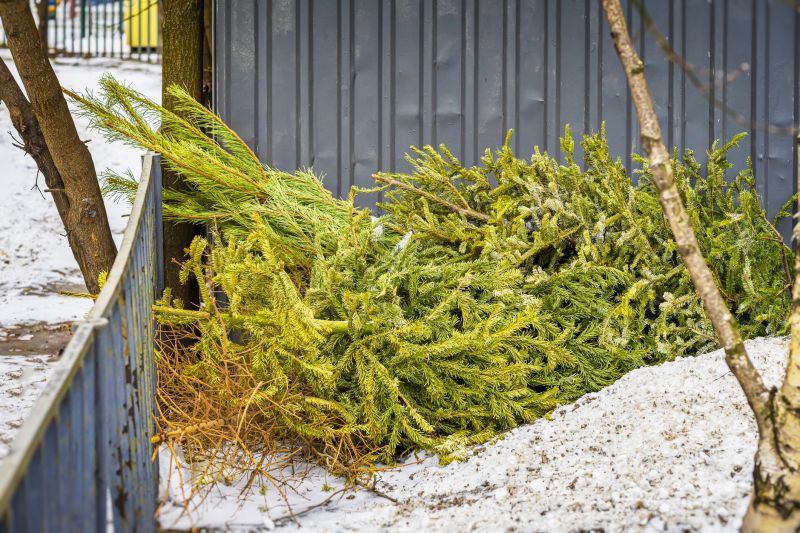
Tree removal during winter minimizes impact on surrounding vegetation.
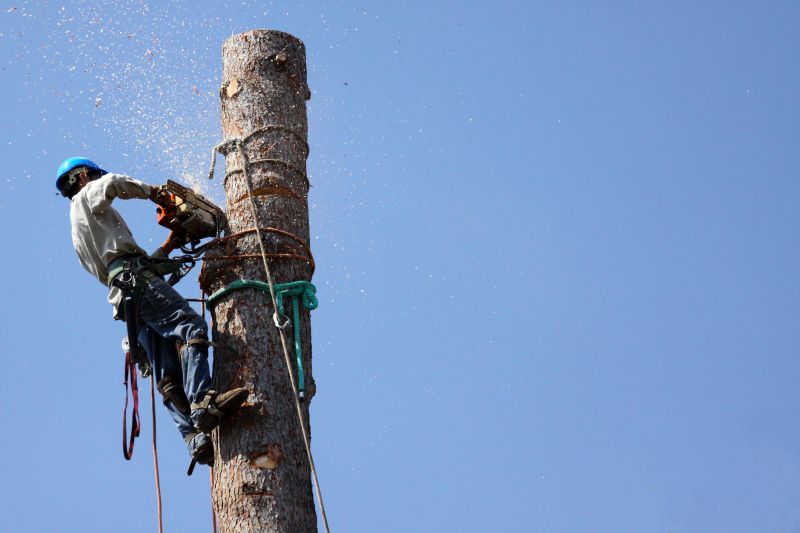
Spring removals require careful planning to avoid disrupting new growth.
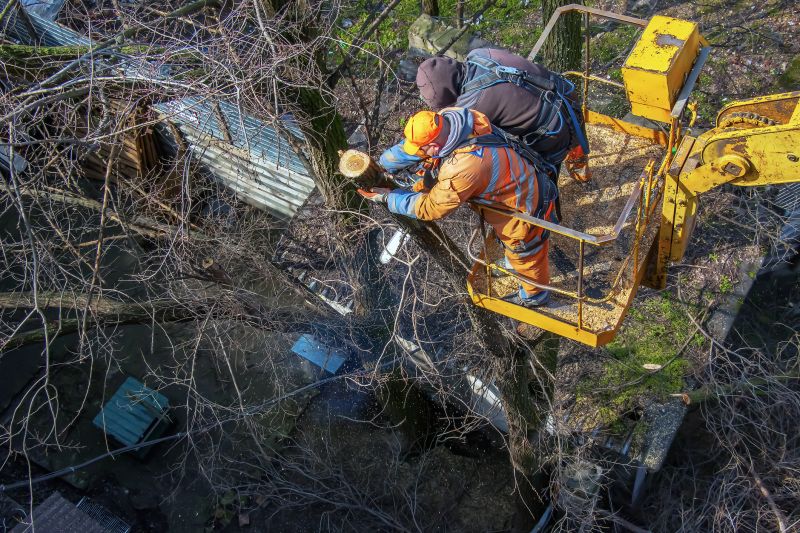
Summer removals may be needed for safety, despite active growth.
Ways to make Tree Removals work in tight or awkward layouts.
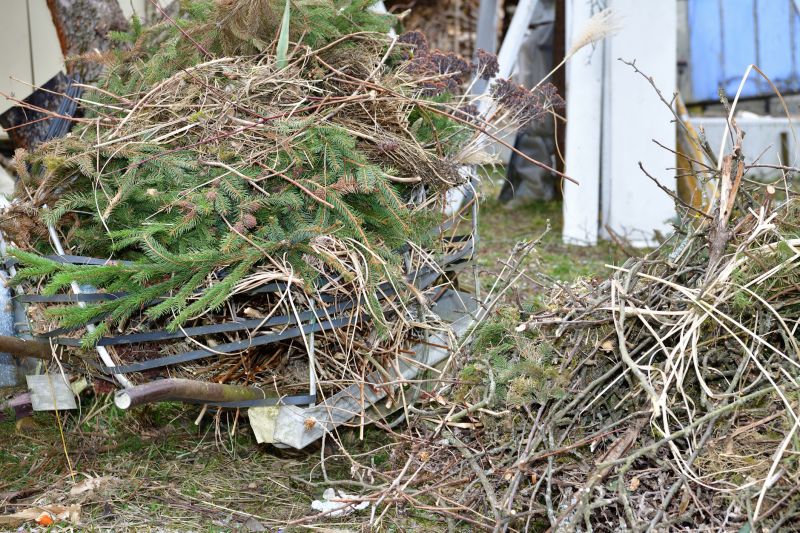
Popular materials for Tree Removals and why they hold up over time.
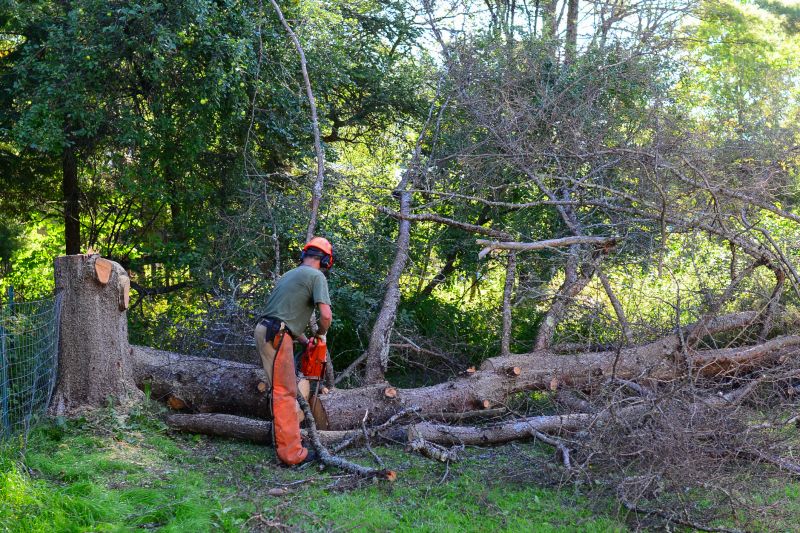
Simple add-ons that improve Tree Removals without blowing the budget.
Tree removals are a critical aspect of landscape management and safety. Proper timing can reduce risks associated with falling branches, storm damage, or disease spread. Statistically, performing removals during dormancy periods can decrease the likelihood of pest transmission and promote healthier surrounding flora.
In Suwanee, GA, seasonal weather patterns influence the best times for tree removal. Winter offers the least disruption, with trees in dormancy and less sap flow, making the process cleaner and safer. Conversely, spring and summer removals are often more complex due to active growth and increased sap flow, which can cause bleeding and stress to remaining parts of the tree.
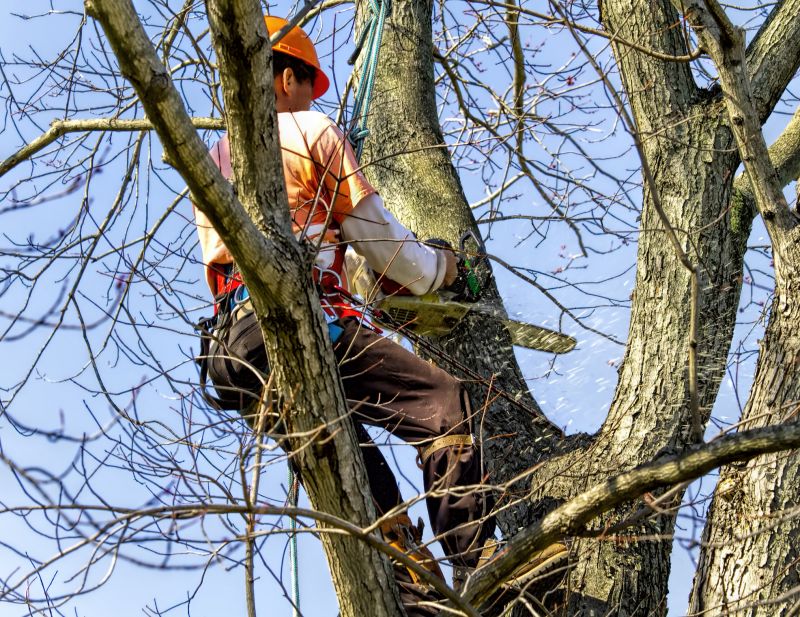
Proper equipment use is essential for safe and efficient tree removal.
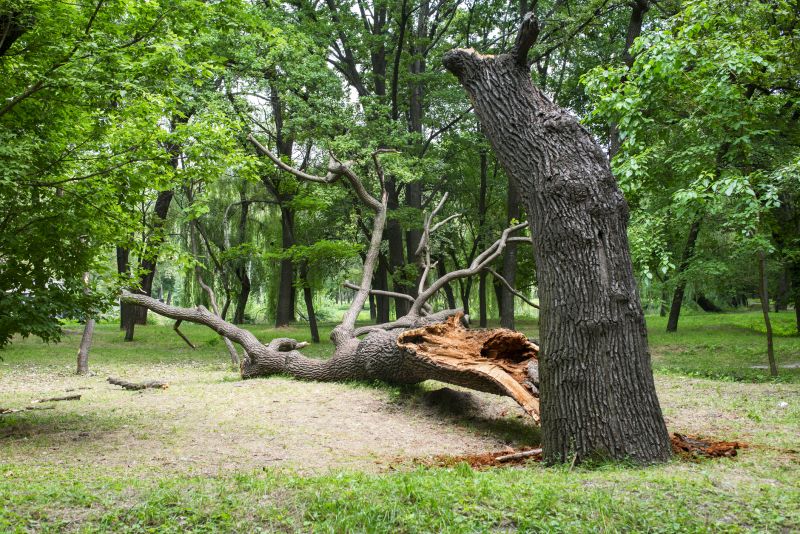
Storms can cause urgent removals, often in unpredictable weather conditions.
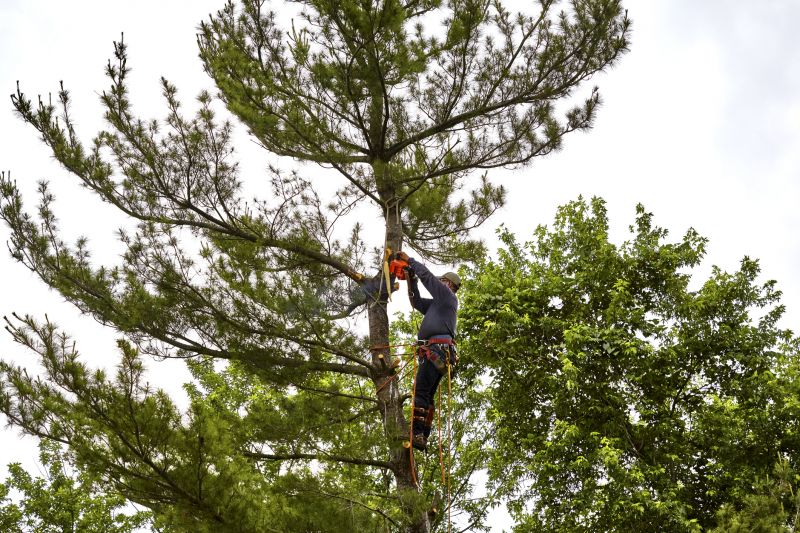
Removing large trees requires specialized techniques and planning.
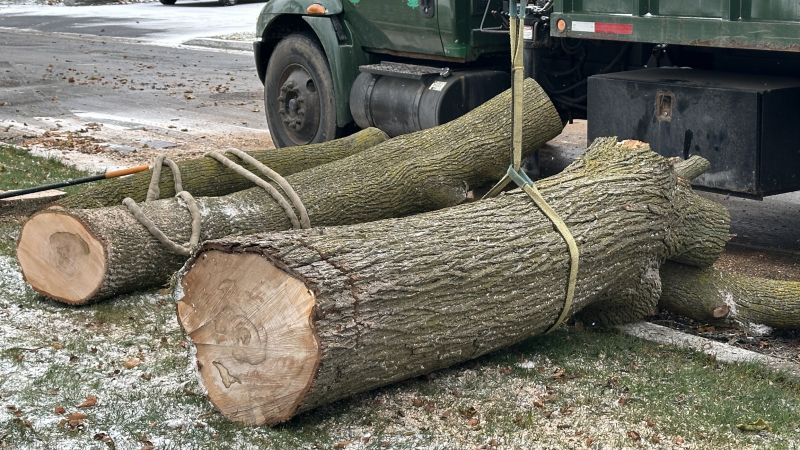
High-end options that actually feel worth it for Tree Removals.
Finishes and colors that play nicely with Tree Removals.
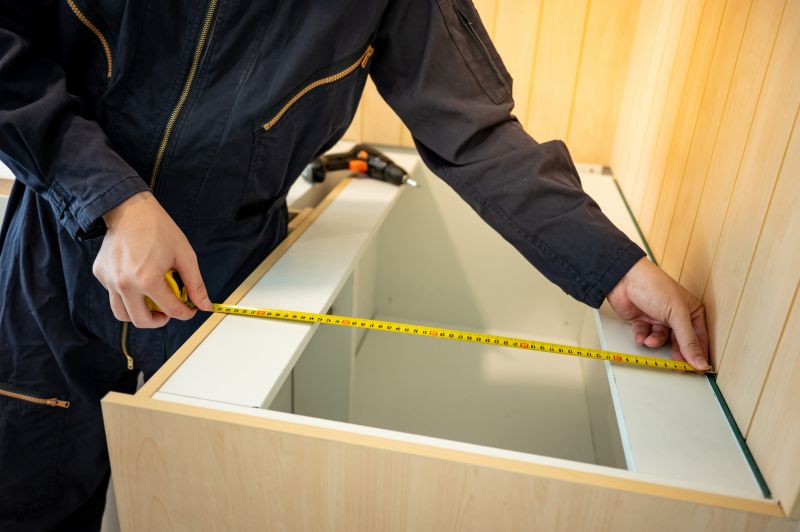
Little measurements that prevent headaches on Tree Removals day.
| Season | Suitability for Tree Removals |
|---|---|
| Winter | Optimal - trees are dormant, reducing stress and damage. |
| Spring | Moderate - active growth can complicate removal. |
| Summer | Less ideal - increased sap flow and growth. |
| Fall | Good - cooler weather and less active growth. |
| Storm Season | Requires urgent removal, often under adverse conditions. |
Choosing the right time for tree removal in Suwanee, GA, involves considering seasonal weather, tree health, and safety. Winter removals are generally preferred for non-urgent projects, while spring and summer may be necessary in cases of storm damage or hazard mitigation. Consulting with a professional ensures that removals are performed at the most appropriate time for safety and efficiency.
Individuals interested in scheduling a tree removal can contact through the provided form to discuss timing options and project specifics.