Property owners in Suwanee, GA, who are considering dead tree removal often seek practical solutions to maintain the safety and appearance of their outdoor spaces. Dead or dying trees can pose risks to people and property, especially during storms or high winds, making timely removal an important part of property management. Additionally, removing hazardous trees can help prevent potential damage to nearby structures, improve the health of surrounding plants, and enhance the overall aesthetic of the landscape. Exploring local contractors who specialize in dead tree removal can provide options for those planning upcoming projects or looking to address immediate concerns.
For those in Suwanee and nearby areas, comparing local service providers can help identify experienced contractors capable of handling dead tree removal efficiently. Many property owners find value in reviewing different options to ensure they select a team that meets their specific needs. Whether for routine maintenance or urgent safety concerns, connecting with reputable local contractors can support effective planning and ensure the work aligns with property goals. Keep reading to learn more about how to find the right professionals for dead tree removal services in the area.
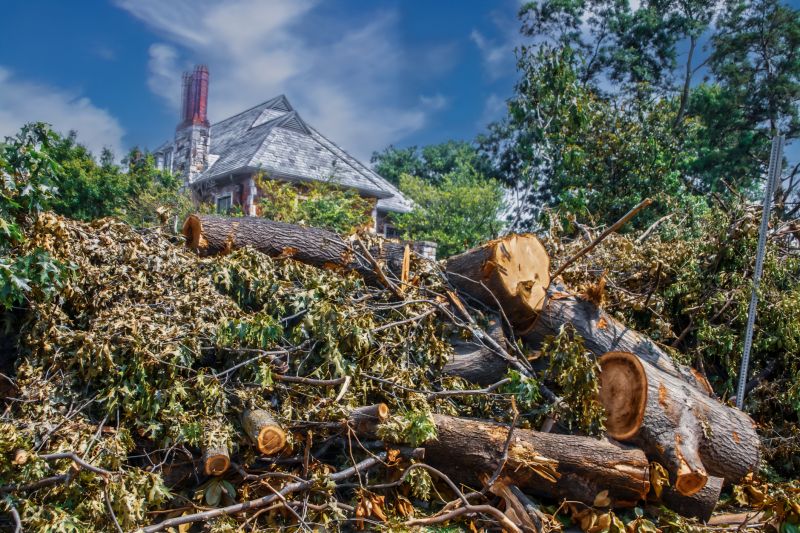
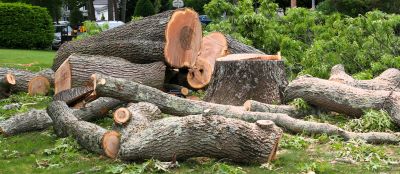
Dead tree removal services involve the careful and efficient removal of trees that are dead, dying, or pose a risk due to their condition. This process typically includes assessing the tree’s health, planning the safest way to bring it down, and then using specialized equipment to cut and remove the tree and its debris. The goal is to eliminate potential hazards, prevent damage to property, and improve the overall safety of the surrounding area. These services are performed by experienced contractors who understand how to handle trees in various environments, ensuring the work is completed safely and effectively.
This service helps address several common problems that homeowners may face. Dead or decaying trees can become unstable and threaten nearby structures, power lines, or outdoor spaces. They may also attract pests or become a source of falling branches during storms or high winds. Removing a dead tree can prevent property damage, avoid injury, and reduce the risk of disease spreading to healthy trees on the property. Additionally, removing unsightly dead trees can enhance the appearance of a yard or landscape, making it safer and more visually appealing.
Dead tree removal is frequently needed on residential properties, especially in neighborhoods with mature trees. Homeowners with large, aging trees, or those who notice signs of decay such as dead branches, fungal growth, or hollow trunks, might consider this service. It is also common for properties that have experienced storm damage or where trees have become hazardous due to disease. Whether a property has a single dead tree or multiple problematic trees, local contractors can provide the expertise needed to safely remove them and address any related concerns.
Commercial properties, parks, and community spaces also often require dead tree removal services. These locations typically prioritize safety and aesthetics, making the timely removal of dead or hazardous trees essential. Property owners and managers may seek out local service providers to handle large-scale removals or to maintain the appearance and safety of outdoor areas. By working with experienced contractors, property owners can ensure that dead or dangerous trees are removed efficiently, helping to protect people, property, and the overall landscape.
The overview below groups typical Dead Tree Removal projects into broad ranges so you can see how smaller, mid-sized, and larger jobs often compare in Suwanee, GA.
In many markets, a large share of routine jobs stays in the lower and middle ranges, while only a smaller percentage of projects moves into the highest bands when the work is more complex or site conditions are harder than average.
Smaller Tree Removals - For routine tree removal projects, local contractors typically charge between $250 and $600. Many smaller jobs fall within this range, especially for trees that are easily accessible and less than 20 feet tall.
Medium-Sized Tree Removal - Larger trees or those in more challenging locations usually cost between $600 and $1,500. These projects are common and often involve trees 20 to 50 feet tall, requiring more equipment and time.
Large or Complex Removals - Very tall or difficult-to-access trees can range from $1,500 to $3,000 or more. Fewer projects reach this tier, typically involving extensive equipment or special safety measures.
Full Tree Removal and Stump Grinding - When removing multiple trees or performing complete site clearing, costs can exceed $5,000. These larger, more complex projects are less frequent but handled by local service providers equipped for extensive work.
Actual totals will depend on details like access to the work area, the scope of the project, and the materials selected, so use these as general starting points rather than exact figures.
Stump Grinding - professionals use specialized tools to grind down tree stumps, a skill closely related to removing dead trees and branches.
Land Clearing - involves removing unwanted trees and brush, requiring planning and equipment similar to dead tree removal projects.
Tree Pruning and Trimming - involves careful cutting and shaping of trees, which shares techniques used in dead branch removal and tree health assessments.
Storm Damage Cleanup - includes removing fallen or damaged trees and limbs, requiring safety measures and equipment comparable to dead tree removal.
Emergency Tree Services - handle urgent tree removals caused by hazards, involving similar skills in safely handling potentially dangerous trees.
Brush and Debris Removal - involves clearing away tree debris and deadwood, utilizing tools and planning similar to dead tree and branch removal tasks.
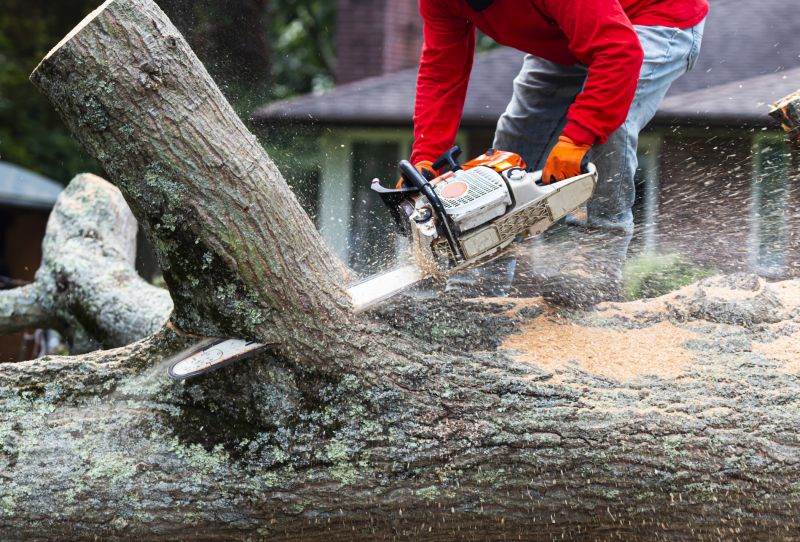
Property owners in Suwanee, GA use Dead Tree Removal services for practical projects around their homes and businesses. This guide focuses on everyday jobs and straightforward project options.
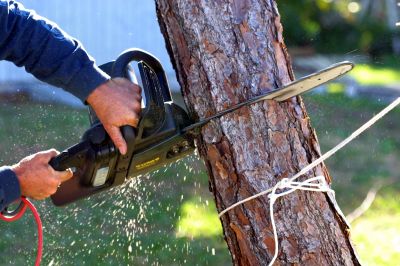
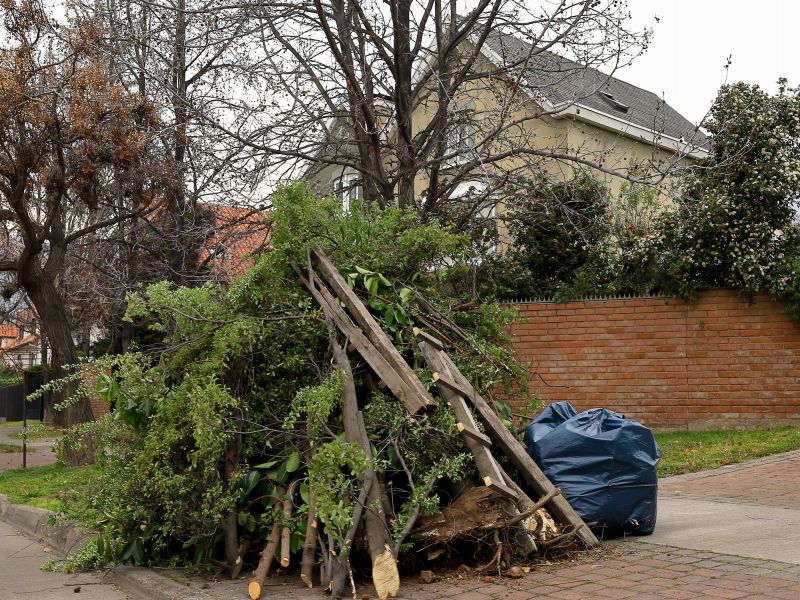
Dead tree removal is a common need for property owners in Suwanee, GA, especially when a tree shows signs of decay or damage after storms. Homeowners and business owners often seek these services to prevent potential hazards, such as falling branches or the entire tree collapsing onto structures, walkways, or power lines. Clearing out dead or dying trees can also improve the overall appearance of a property, making it safer and more inviting for residents, visitors, and neighbors alike.
In addition to safety concerns, property owners may look for dead tree removal when preparing a site for new landscaping, construction, or renovations. Overgrown or decaying trees can hinder growth or block sunlight, impacting the health of surrounding plants. Local contractors can handle these situations efficiently, helping property owners maintain a safe, attractive, and functional outdoor space in Suwanee and nearby areas.
What is dead tree removal? Dead tree removal involves the process of safely taking down trees that are no longer living or pose a risk to property and safety.
Why should I consider removing a dead tree? Removing a dead tree can prevent potential damage to structures, reduce safety hazards, and improve the overall appearance of the property.
How do local contractors handle dead tree removal? Local contractors typically assess the tree’s condition, plan the removal process, and use specialized equipment to safely dismantle and remove the tree and debris.
Are there different methods for dead tree removal? Yes, methods can vary based on the tree’s size, location, and condition, including sectional dismantling or crane-assisted removal for larger trees.
How can I find qualified service providers for dead tree removal? Property owners can contact local service providers who specialize in tree removal to compare options and connect with experienced contractors in Suwanee, GA, and nearby areas.
If you are thinking about Dead Tree Removal for a property in Suwanee, GA, this guide is meant to help you understand the work, the typical project types, and how different options might fit your plans.
When you are ready, you can use the quote form on this page to share a few details about your project. From there, local pros can review the basics and respond with options that match what you have in mind.